


5 Ways to Buy a Home as Rates Rise

November 16, 2026

Rising interest rates can make buying a home more expensive, but they do not automatically make homeownership out of reach. Buyers can stay competitive by setting a payment-based budget, comparing loan options, negotiating strategically, and planning to refinance only if conditions improve. The right decision depends on affordability, goals, and timeline—not headlines alone.

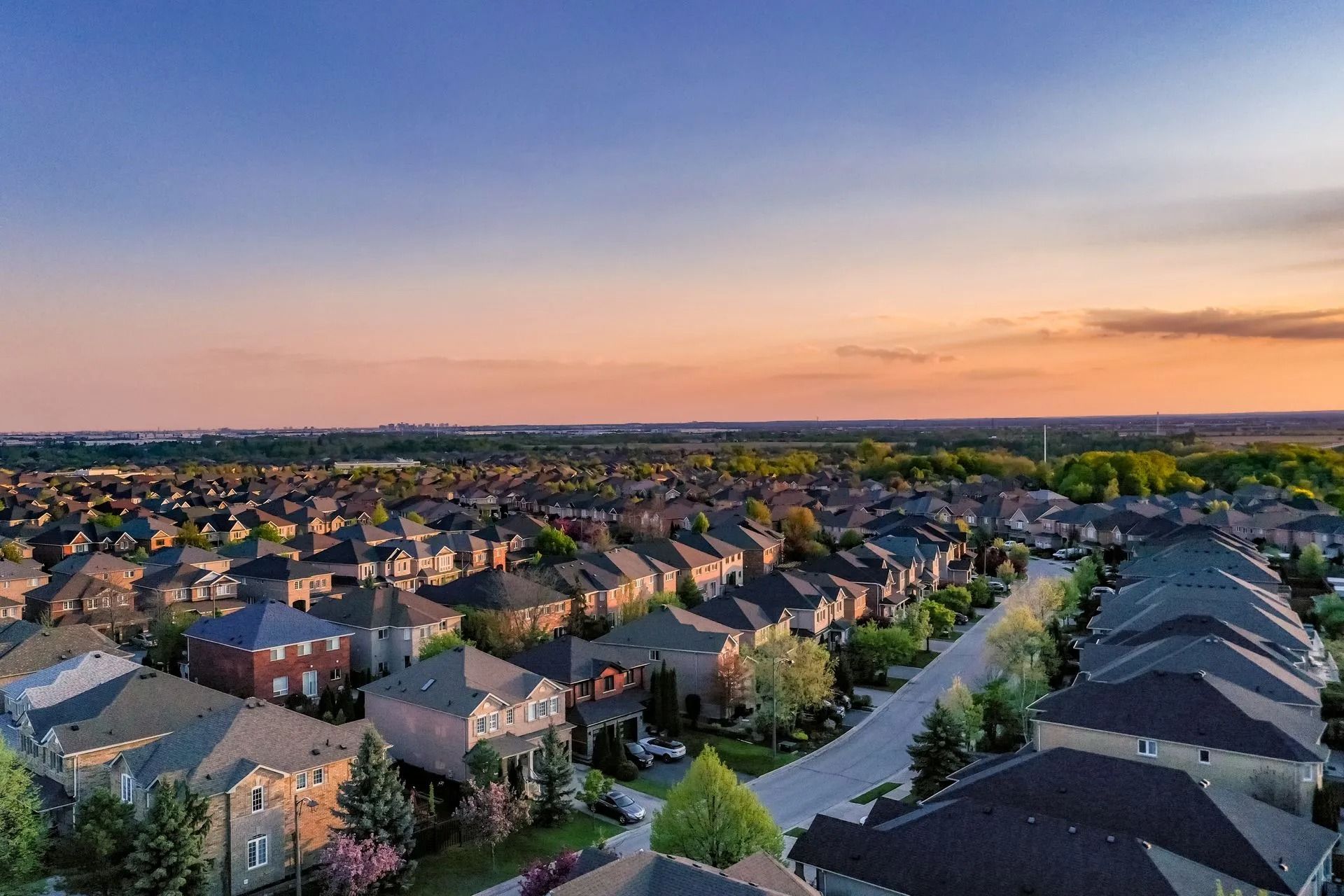
Homebuyers reviewing financing options

Why are rising interest rates discouraging buyers?

When rates rise, the cost of borrowing increases. A higher rate can raise the monthly principal-and-interest payment on the same home, which may reduce a buyer’s purchasing power. It can also make buyers hesitate, especially when home prices remain high.

That concern is understandable, but waiting is not automatically the most affordable choice. Home prices, inventory, competition, rent, income, and future rate changes all matter. If rates fall later, more buyers may return to the market, potentially increasing competition and prices.

The better question is not, “Will rates go down soon?” It is, “Can I comfortably afford this home today?” A home purchase should fit your budget without relying on a prediction about the economy.

1. Start with a payment-based budget

Instead of beginning with the maximum loan amount a lender approves, begin with the monthly payment you can manage comfortably. Include more than principal and interest:

  • Property taxes and homeowners insurance
  • Mortgage insurance, if applicable
  • Utilities and routine maintenance
  • HOA dues, if applicable
  • Emergency savings and other financial goals

A lender’s preapproval helps establish a realistic range, but you still need to decide what feels sustainable. First-time buyers may also need to budget for closing costs, moving expenses, furnishings, and repairs. Homeowners who are upsizing should account for the cost of a larger property, while downsizers should review taxes, HOA expenses, and any renovation needs.

Use a mortgage calculator to compare different purchase prices, down payments, and interest rates. Seeing the payment difference can help you identify a comfortable target rather than reacting emotionally to a list price.

Can a larger down payment offset higher rates?

A larger down payment can reduce the amount you borrow, which may lower your monthly payment and total interest over the life of the loan. It may also help you avoid private mortgage insurance, depending on the loan and down payment amount.

However, putting every available dollar into the home is not always wise. Keep enough cash for closing costs, moving expenses, emergency repairs, and several months of living expenses. A smaller down payment may be appropriate if preserving cash improves your financial stability.

Ask your lender to compare multiple scenarios, such as:

  • A lower down payment with more cash reserves
  • A larger down payment with a smaller loan
  • A temporary or permanent rate buydown
  • Conventional, FHA, VA, or other eligible financing options

The best option is the one that balances monthly affordability with financial flexibility. Your real estate agent can help you evaluate how each scenario affects your offer and long-term plans, while your lender should explain loan costs and eligibility.

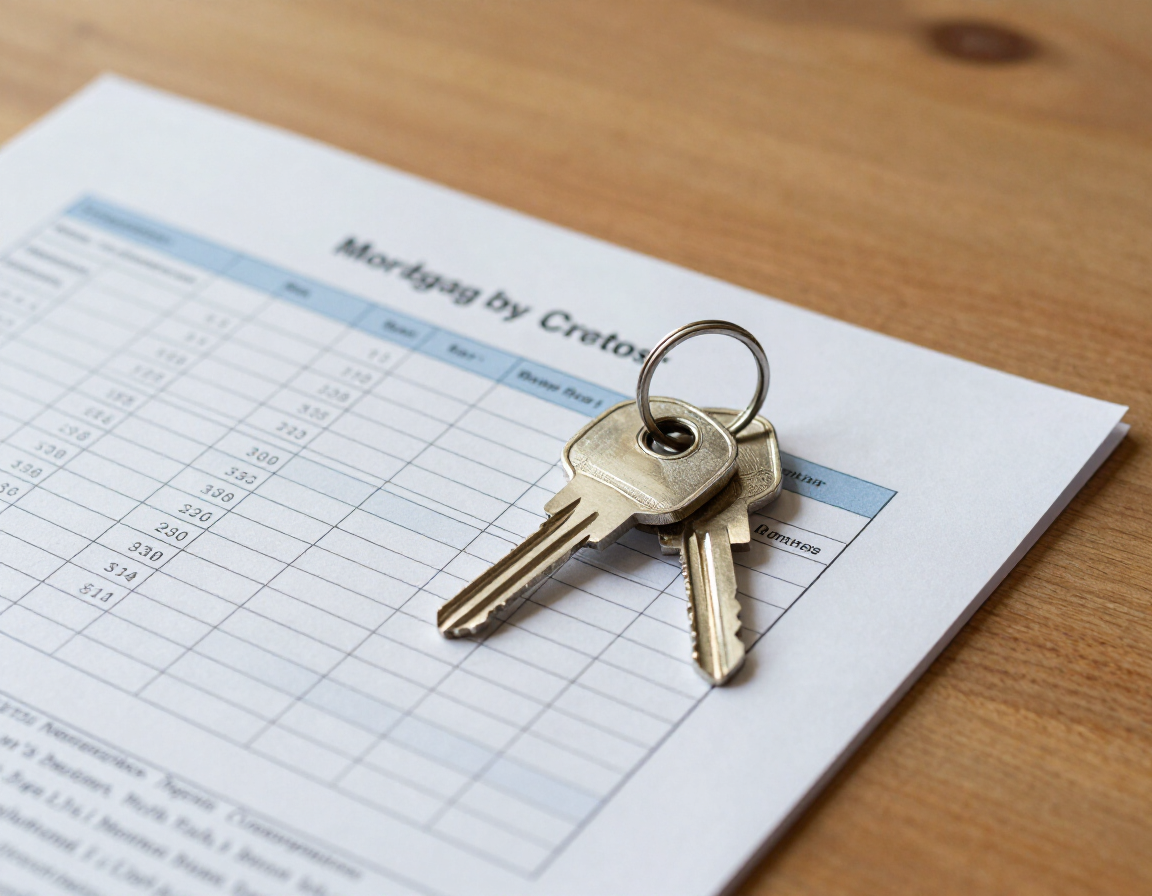
Mortgage comparison worksheet beside house keys

2. Compare loan options carefully

Interest rates are important, but the rate alone does not tell you the full cost of a mortgage. Compare the annual percentage rate, lender fees, points, closing costs, loan term, and whether the rate is fixed or adjustable.

Request loan estimates from more than one qualified lender. Compare the same loan amount and assumptions so the results are meaningful. Ask questions such as:

  • What is the total cash needed at closing?
  • Is the rate locked, and for how long?
  • What does it cost to buy down the rate?
  • Are there prepayment penalties or unusual fees?
  • How could the payment change with an adjustable-rate loan?

A fixed-rate mortgage offers predictable principal-and-interest payments. An adjustable-rate mortgage may begin with a lower rate, but the payment can change later. Neither is automatically best; the right choice depends on how long you expect to own the home, your risk tolerance, and the loan’s terms.

Be cautious about choosing a loan solely because it has the lowest advertised rate. A lower rate with substantial points or fees may not save money if you sell or refinance relatively soon.

Should you wait for mortgage rates to fall?

Waiting can make sense if buying now would stretch your budget, reduce your emergency savings, or create financial stress. It may also be sensible if your credit, income, or down payment will improve soon.

But waiting for a specific rate forecast is risky. No one can guarantee when rates will change, how much they will move, or what home prices and inventory will do at the same time. If you find a home you can afford and plan to own for several years, today’s rate may be only one part of the overall decision.

Consider these questions:

  1. Is the monthly payment comfortable with room for unexpected costs?
  2. Do I expect to stay in the home long enough to justify buying?
  3. Is my income stable and my emergency fund adequate?
  4. Am I buying because the home fits my needs, rather than because I fear missing out?
  5. Would waiting materially improve my finances or simply delay the decision?

If the answers support buying, a future refinance could be a possibility—but it should never be the reason the purchase works. Refinancing depends on future rates, equity, credit, income, and closing costs.

3. Look for negotiation opportunities

Higher borrowing costs can reduce buyer competition in some market conditions. That may create opportunities to negotiate with sellers, especially when a property has been listed for a while or needs updates.

Possible negotiation requests include:

  • A purchase-price adjustment
  • Seller-paid closing costs
  • A seller-funded interest-rate buydown
  • Credits for repairs identified during inspection
  • Flexible timing for closing or possession

Your negotiating strategy should reflect local inventory, recent comparable sales, and the property’s condition. A strong offer is not necessarily the highest offer; it is a well-supported offer with terms that solve a seller’s needs while protecting your budget.

Review current conditions in the Market Trends Report , then discuss the property with an experienced local professional. In San Diego, Orange, and Los Angeles Counties, neighborhood-level differences can be significant, so broad market headlines may not describe the opportunity in front of you.

Real estate agent and buyers touring a California home

How can buyers improve affordability before applying?

Small improvements to your financial profile can affect your loan terms and purchasing power. Start early rather than waiting until you are ready to make an offer.

Focus on:

  • Paying bills on time and avoiding new high-interest debt
  • Reviewing your credit reports for errors
  • Saving consistently for the down payment and closing costs
  • Documenting income, assets, and gift funds clearly
  • Avoiding large purchases before closing

Do not close credit accounts or make major financial changes without discussing them with your lender. Your lender can explain which actions may help and which could complicate underwriting.

If you are not ready today, that does not mean you should stop preparing. A lender conversation, budget review, and consultation with a buyer’s agent can give you a clear plan for the next three, six, or twelve months. You can also explore homes through Find a Home to understand what your budget may buy in different neighborhoods.

4. Match the home to your next chapter

A home should support your actual life, not just your current wish list. First-time buyers may prioritize a manageable payment and room to build equity. Upsizing households may need additional bedrooms, storage, or a practical commute. Downsizers may value lower maintenance, accessibility, and proximity to daily needs.

Separating essentials from preferences can protect your budget. A smaller home in the right location may be more sustainable than a larger home that requires financial strain. Likewise, a property that needs cosmetic updates may offer value if the repairs are affordable and manageable.

Think about your likely timeline. If you may move within a few years, buying costs and resale uncertainty matter more. If you expect to stay longer, a stable payment and long-term livability may carry greater weight.

A practical decision checklist

Before making an offer, confirm that you can answer “yes” to most of these questions:

  • I know my comfortable monthly payment, not just my maximum approval.
  • I have reviewed the full cost of the loan and closing.
  • I will retain emergency savings after buying.
  • I understand the home’s taxes, insurance, HOA, and maintenance costs.
  • I have considered both today’s affordability and my expected time in the home.

If the numbers work, rising rates do not necessarily eliminate your opportunity. If they do not work, waiting and strengthening your finances is a responsible strategy—not a failure.

What should you do next?

Buying a home as rates rise requires discipline, not panic. Start by calculating a comfortable payment, comparing complete loan estimates, protecting your cash reserves, and studying local market conditions. Then decide whether buying now, negotiating for better terms, or preparing for a later purchase best fits your circumstances. A knowledgeable real estate professional can help you evaluate homes and strategy, while a lender can explain financing. When you are ready, contact me to discuss your goals, timeline, and next steps.

Key takeaways

  • Rising rates make affordability more important, but they do not automatically end your home search.
  • Compare the full loan cost, not only the advertised interest rate.
  • Consider seller concessions, buydowns, and other negotiating tools.
  • Buy only when the payment and long-term plan are comfortable.
  • Prepare early if waiting would materially improve your financial position.
Best time to buy a home in San Diego with local guidance
November 18, 2026
Is now the best time to buy a home in San Diego? Learn how rates, inventory, competition, and your finances can guide a confident 2026 decision.

Buying a home in a slow market with a real estate agent
November 16, 2026
Learn how to buy a home in a slow market with practical tips for negotiating, financing, inspections, and making a confident offer.
How to list your home in a slow real estate market
November 12, 2026
Learn how to list your home in a slow real estate market with practical pricing, preparation, marketing, and negotiation strategies that attract serious buyers.

By Bruce Mims • November 10, 2026
Preparing and Protecting Your Home For El Nino

Downsizing your home into a bright, comfortable living space
November 10, 2026
Wondering whether downsizing your home is right for you? Explore five practical reasons Baby Boomer homeowners may benefit from moving to a simpler, more manageable home.

By Bruce Mims • November 10, 2026
You're Invited!
By Bruce Mims • November 5, 2026
Market Trends
By Bruce Mims • November 5, 2026
Market Trends
By Bruce Mims • November 5, 2026
Market Trends
By Bruce Mims • November 5, 2026
Market Trends
Show More